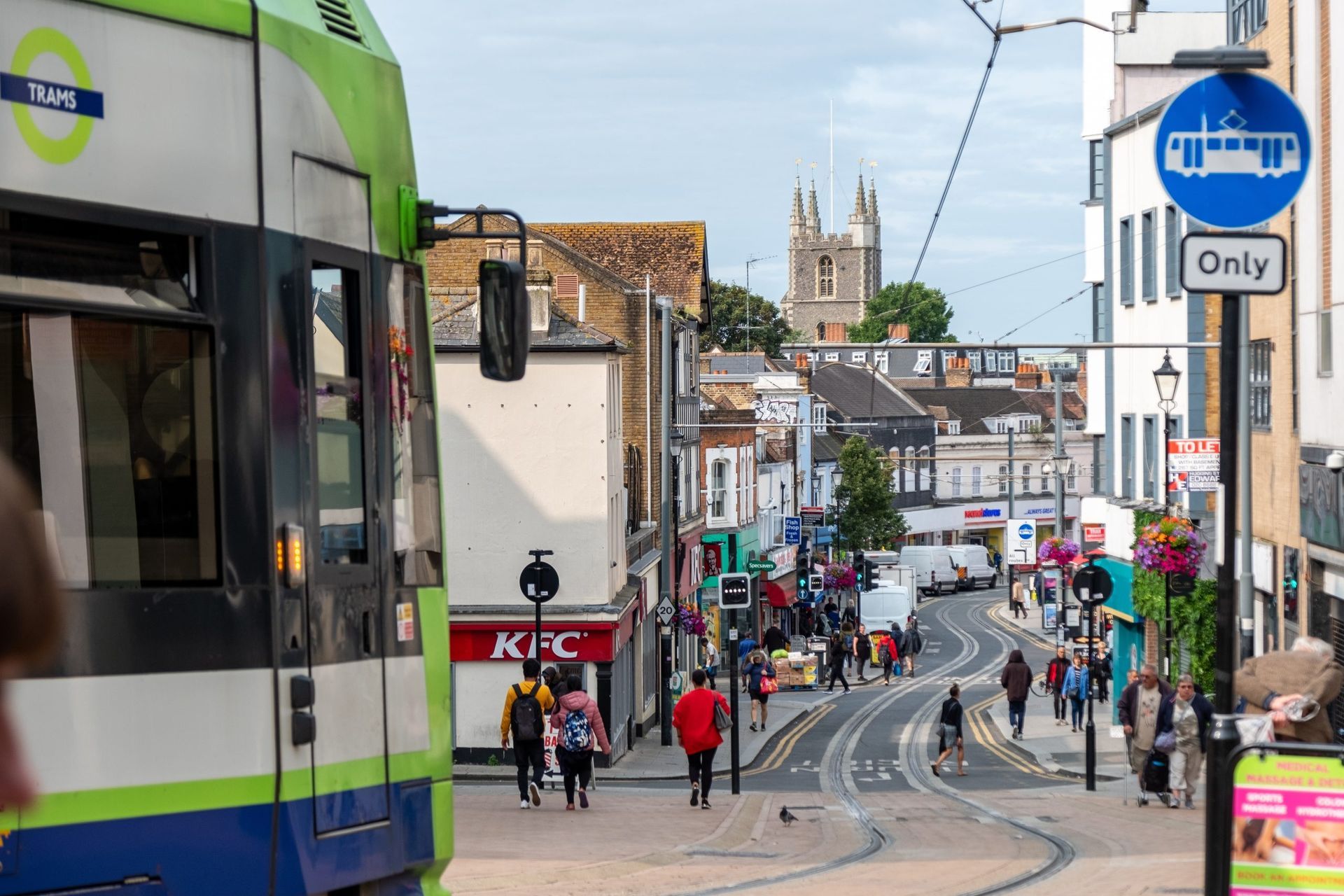
The press release from MHCLG in November 2025 confirmed that it intended to put in place a “default ‘yes’ for tens of thousands of new homes near train stations to speed regeneration and get spades in the ground faster”. This default yes would apply if housebuilding met ‘certain rules’, and that these rules would also apply to land within the Green Belt.
These rules have now been set out in the draft NPPF consultation (December 2025) as part of a comprehensive redraft of the Framework. It is this specific aspect of the draft Framework, in relation to the development around stations, that has particularly resonated with me.
More rural locations, what does this mean for development of land around stations?
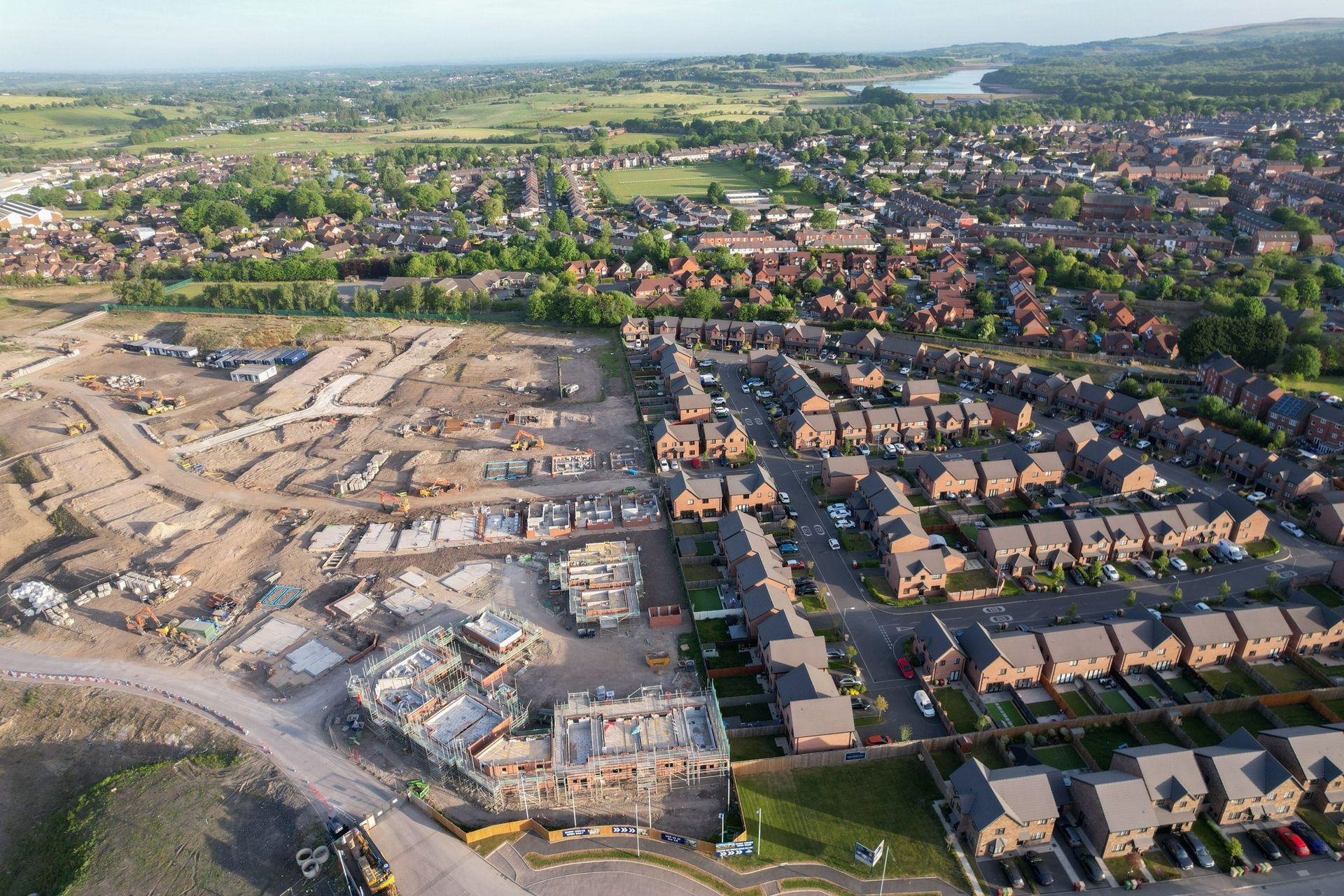
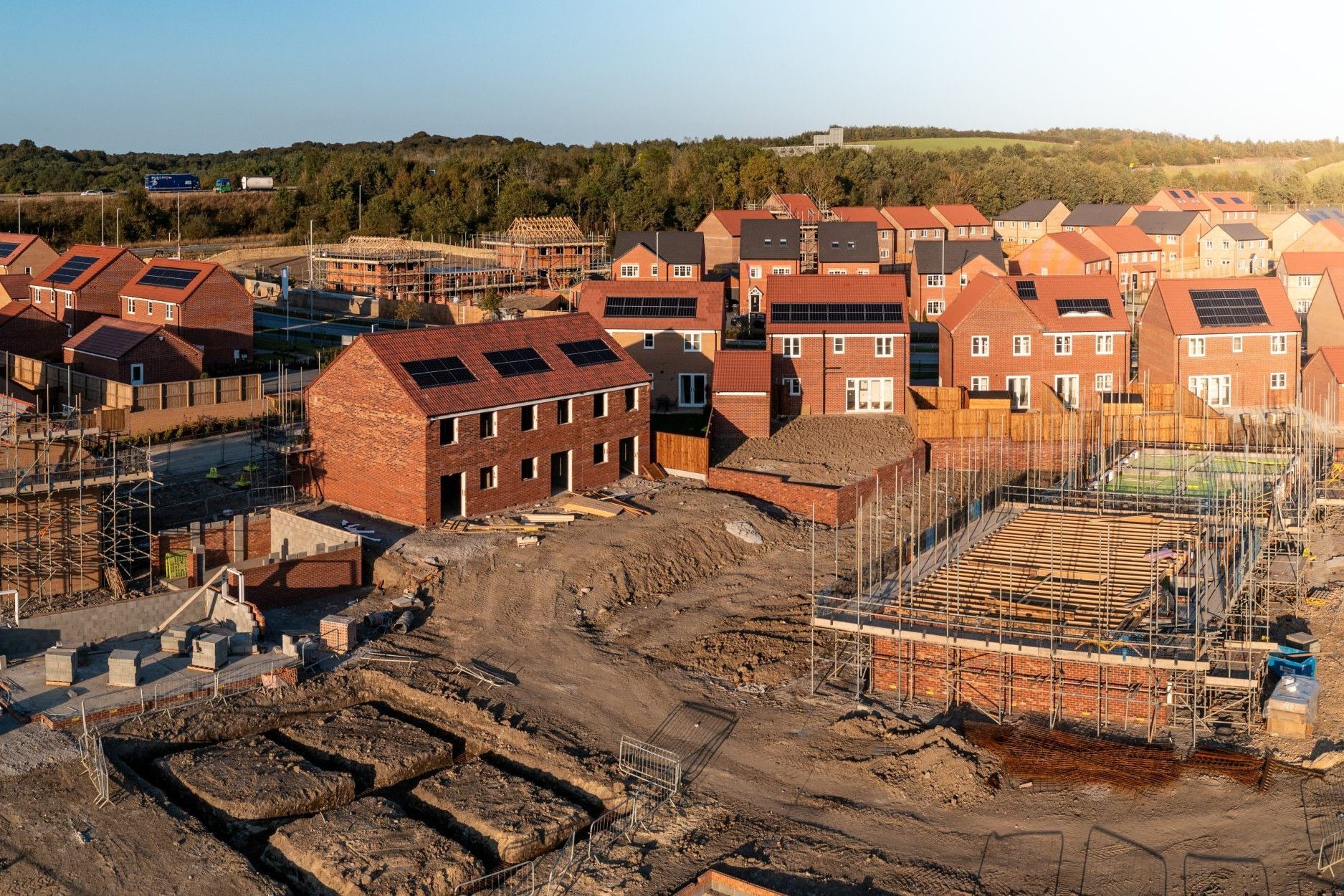
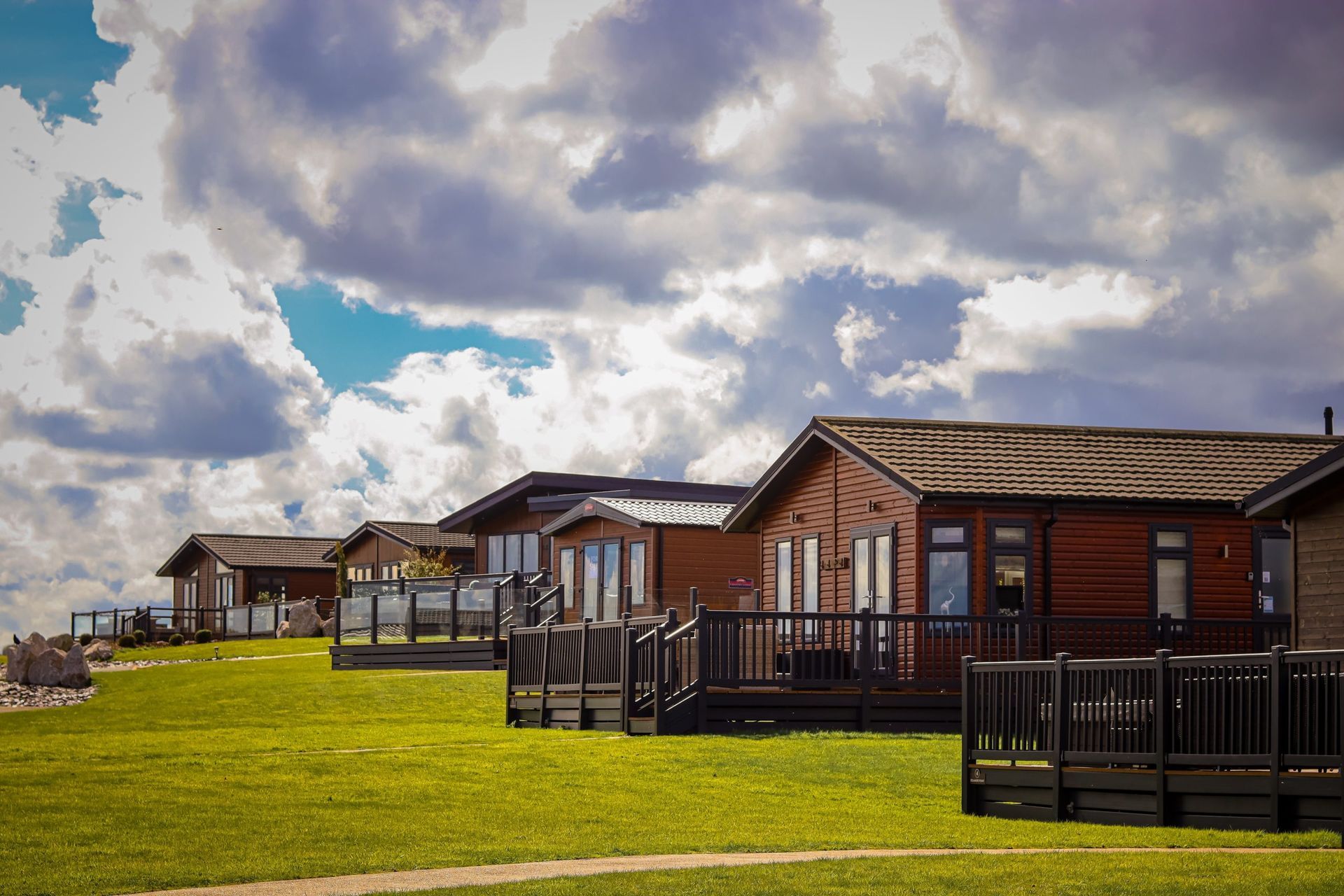
My commute to work starts from a rural village station, one which has over four services an hour, two in either direction, with six services in peak hours. It is therefore, by definition, a well-connected station. The village itself is, and has previously been, subject to growth, a development of c120 dwellings is currently under construction, despite local resident and parish council objections about scale and the impact on the character of the village.
Then, once I arrive at the office, I have a proposed residential development scheme which would be located within a reasonable walking distance of a well-connected station, but is on the rural edge of a town in a largely rural district.
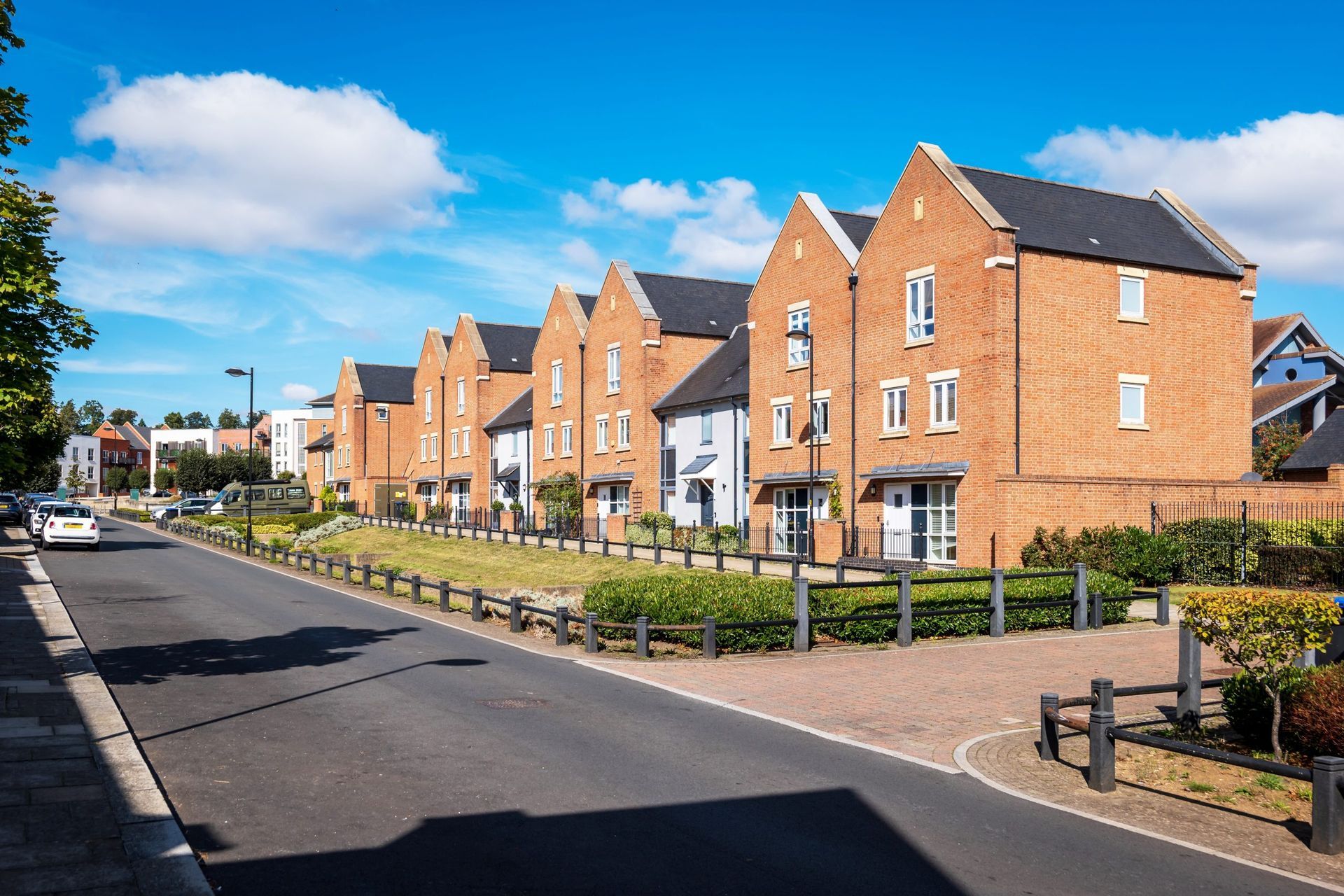
The draft Framework would now mean that both these locations would be subject to the minimum density rules of 40 or 50 dwellings per hectare stated in Policy L3 point 3, with point 4 confirming that development proposals “that do not make efficient use of land in accordance with this policy should be refused.”
Standing on the station platform, looking out into the village, I cannot help but reflect on what the implications of Policy L3 might be for such well-connected but, fundamentally, rural locations, where none of the development to date has reached close to even 40 dwellings per hectare.
“…unless directed by other policies in this Framework”
Notwithstanding the fact that the Introduction chapter of the draft Framework confirms that both plan-making and decision-making policies should be read as a whole, caveats providing further explanation as to how a policy should be considered, for example ‘unless directed by other policies’, are stated no less than 57 times in the draft Framework. So why then is there no such explicit caveat, or explanatory guidance, with regard to Policy L3 and the density of development within a reasonable walking distance to a station?
I don’t think anybody would argue against the need to make efficient use of land in accessible locations, particularly around stations, in order to deliver much needed homes; truly urban and suburban locations should be able to achieve or exceed the higher densities sought. But proximity to a station cannot be the only consideration. Other factors should rightly play a part in decision-making. The interdependent economic, social and environment objectives of the Framework remain the backbone of achieving sustainable development in the draft Framework.
Point 2 of Policy L3 states that the “existing character of an area should be taken into account, in accordance with policy DP3, but should not preclude development which makes the most of an area’s potential.” But Policy DP3 itself states, at point 2, that “development proposals that are not well designed should be refused, when assessed against this policy…”. Being well designed is stated in DP3 as including responding to the character and setting of a site, but this may mean that the densities prescribed by Policy L3 cannot be met. So which policy prevails? L3 or DP3?
In drafting Policy L3, I don’t believe that the Government intends for it to deliver prescribed densities at all costs, but by not having a clear caveat or guidance in place, an ambiguity remains. This could lead to Councils seeking to resist development simply because it doesn’t meet the minimum densities stated, an easy reason for refusal, particularly in locations where local objection to development is already especially loud.
At the very least, it will lead to more debate and uncertainty around decision-making, the exact opposite intent of the prescribed policy approach of the re-work of the draft Framework, of speeding up the delivery of homes through the planning process.
The solution?
The introduction of another caveat, and/or guidance text, would actually be welcome in this instance, as to how the provisions of Policy L3 are intended to be balanced with those of Policy DP3. This would serve to reduce uncertainty as to how the minimum density around stations should be considered, and provide clarity as to the checks and balances that need to be applied:
- Would it result in unacceptable environmental impacts, for example in regard to landscape, settlement character, or heritage?
- Would it have unacceptable impacts on existing neighbouring amenity, for example in terms of outlook resulting from increased development height?
- Would the type of homes that would result meet the prevailing needs of the area?
For now, though, we await the finalised wording of the new NPPF later in the year, with the hope that a small but significant wording change is introduced in relation to Policy L3. But in the meantime, for my proposed residential scheme, it is necessary to consider the implications of these very matters. Ultimately, it may not change the proposed development that comes forward. However as a development team, we need to be certain that we have maximised the efficient use of the site, whilst not resulting in unacceptable environmental impacts, as far as possible.
As for my commuting village, I do not foresee a higher density development being delivered any time soon, and despite the need for housing, I think that would be an appropriate outcome for the village and its community.
Source: Housebuilding around train stations will be given default “yes”, GOV.UK

Associate Director