Today’s Budget delivered a number of announcements affecting the built environment sector.
Our specialists share their initial takeaways:
Planning
1) Adam Ross, Executive Director at Nexus Planning, comments:
“Whilst referencing planning reform multiple times in her Budget speech, one of the only housing / planning related matters referred to by the Chancellor was a financial commitment to boosting planning department resourcing.
“Whilst additional funding for local authority planners is of course welcomed, looking at the published details, the commitment is to 350 additional graduate and apprentice planners. This equates to just one additional planner per local authority, is that realistically going to change anything?
“More fundamentally, it is hard to see how the appointment of additional junior / inexperienced planners has any potential to achieve the claimed objective to ‘accelerate large sites stuck in the planning system’ or ‘supercharge’ the delivery of new homes.”
Housing
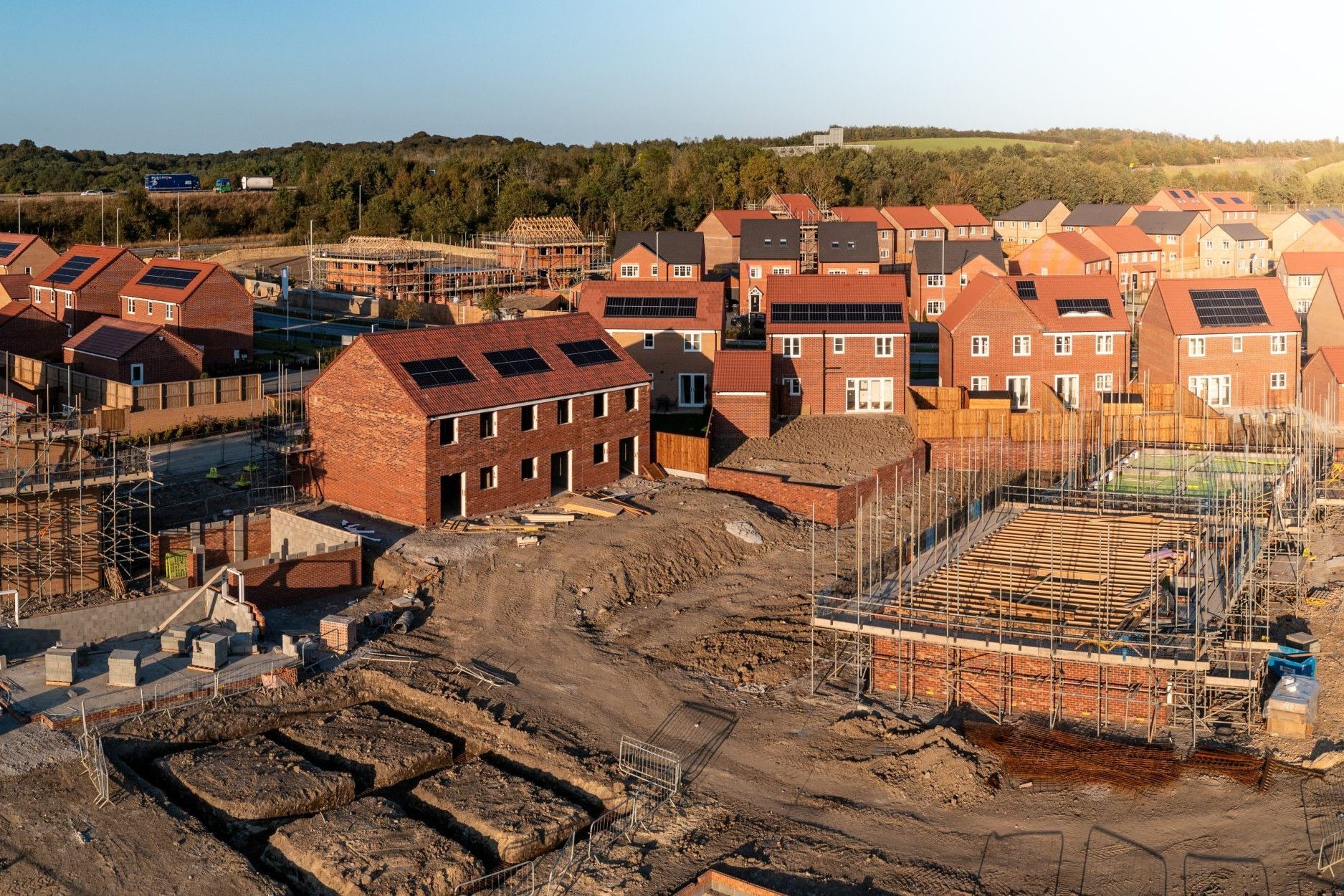
“The Chancellor missed a really important opportunity to complement the government’s planning reforms with complementary measures to support the housing market and better facilitate the delivery of the 1.5 million new homes committed to in this parliament.
“Wider economic concerns, including persistently high interest rates, inflation and general economic uncertainty, are such that new home sales rates in summer 2025 were at their lowest levels since 2008. Very low sales rates generally translate to lower levels of future housing delivery.
“To boost delivery the housing market needed some government support, particularly for first time buyers. By way of example, between 2013 and 2022, when the scheme closed to new applications, the previous ‘Help to Buy’ scheme:
- Allowed around 387,000 households to purchase a home, of which almost 85% were first-time buyers.
- Supported the purchase of approximately one in three new-build homes.
“The National Audit Office confirmed that the Help to Buy scheme increased home ownership and boosted housing supply. Sadly, the Budget missed this opportunity to facilitate the delivery of much-needed new homes.”
Regeneration
2) Peter Tooher, Executive Director at Nexus Planning, says:
“Not surprisingly after perhaps the most heavily briefed Budget in history, even before the OBR’s slip up, there were no new game-changing announcements for the development sector. However the continued emphasis on growth, health, education and skills and infrastructure remains, as of course does the commitment to 1.5 millions new homes.
“The key test of success for the Chancellor’s Budget will be creating some much needed stability and certainty, both in Government ranks and the economy. The 250 new neighbourhood health is noteworthy in itself, but so is the intended use of private finance to funding them.
“Devolving spending discussion down the metro mayors continues as a theme, as does investment in transport, including the Midlands Rail Hub and Northern Growth Corridor. Finding the funding for investment is only one part of the course, and so delivery on the employment skills agenda and in finding and training the new planners will be critical to building up momentum.”
Retail
3) Heather Lindley-Clapp, Director at Nexus Planning, comments:
“One of the key outcomes from today’s Budget for town centres is the commitment for permanent lower business rates tax rates for over 750,000 retail, hospitality and leisure properties, paid for by higher rates on properties worth more than £500,000 used by the ‘warehouse giants’. This relief, along with the customs duty to be applied to parcels to stop online retailers undercutting high street retailers on price, will help to support small high street businesses, including those in the independent sector.
“However, other budgetary measures which fuel further wage inflation, especially for part-time working, will inevitably put further pressure on key operators, and in particular the hospitality industry, which is such an important sector helping to protect the future of our high streets. This could have further implications on the future viability of small high street businesses’.”
Health
4) Fiona Bruce, Principal Analyst at Nexus Analytics & Research, adds:
“Health plays a vital role in planning, and critical to our health is having easy access to local healthcare services. It’s pleasing therefore to see the government announce the creation of 250 new Neighbourhood Health Centres across England, which will co-locate health services such as GPs and physiotherapists, expanding existing services and allowing greater access to vital healthcare infrastructure in communities across the country. Of course, key to the success of these centres will be having enough staff to operate them, a widespread problem which should be a priority for this government.”
Get in touch if you’d like to explore any of these topics further.