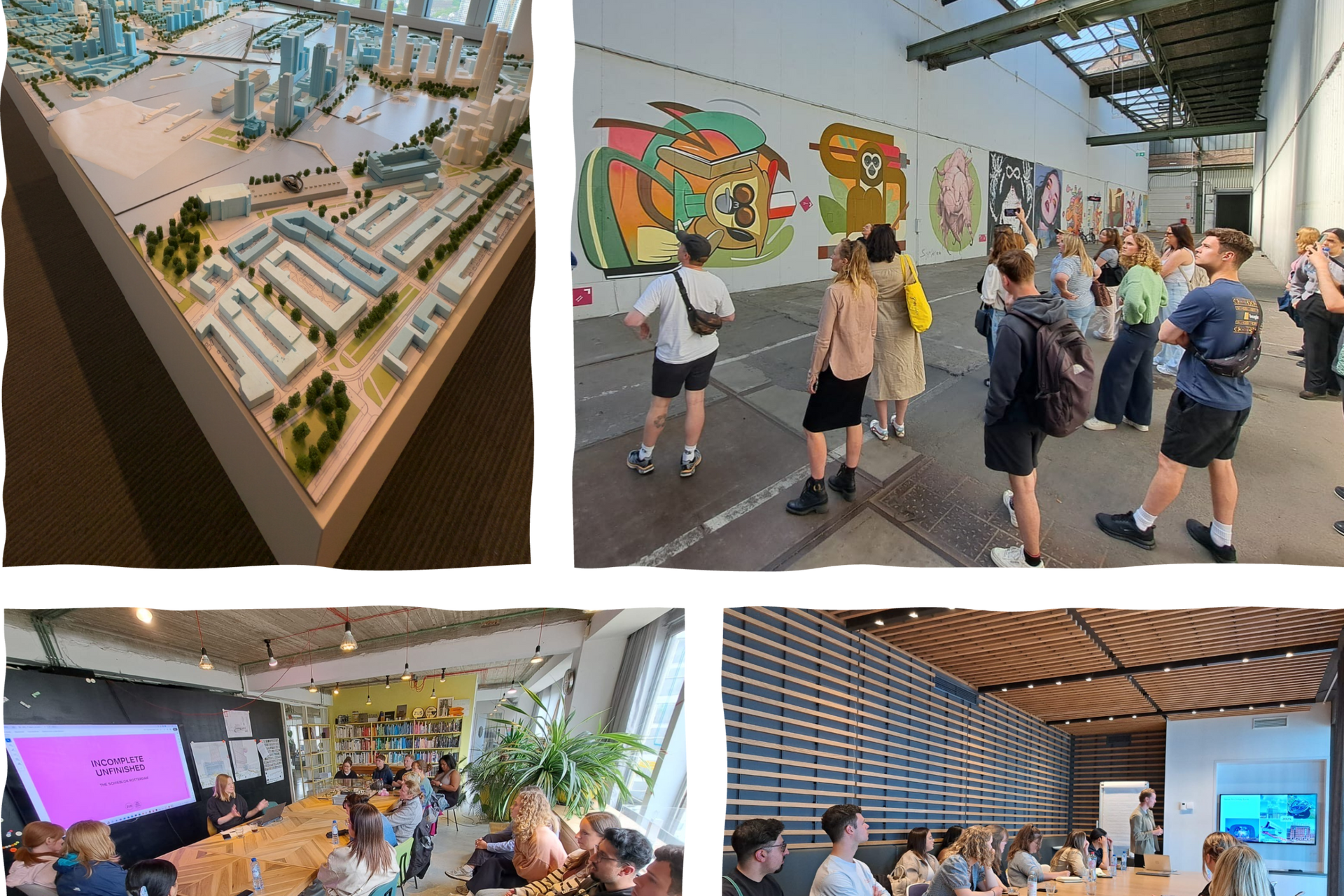
Earlier this month, we had the pleasure of attending the Royal Town Planning Institute’s Young Planners Conference, hosted by LSBU Global. Representing Nexus Planning were Joseph Teahon, Planner, Reading, Max Gull, Senior Planner, Reading, and Elisabeth Pywell, Associate Director, Birmingham.
The theme of this year’s conference, “Planning for Good Health,” couldn’t have been more timely. It served as a powerful reminder that the origins of the UK’s planning system are deeply rooted in public health. From the early days of the Town and Country Planning Act, the goal has always been to create healthier, more liveable environments.
A Timely Focus on Health and Place
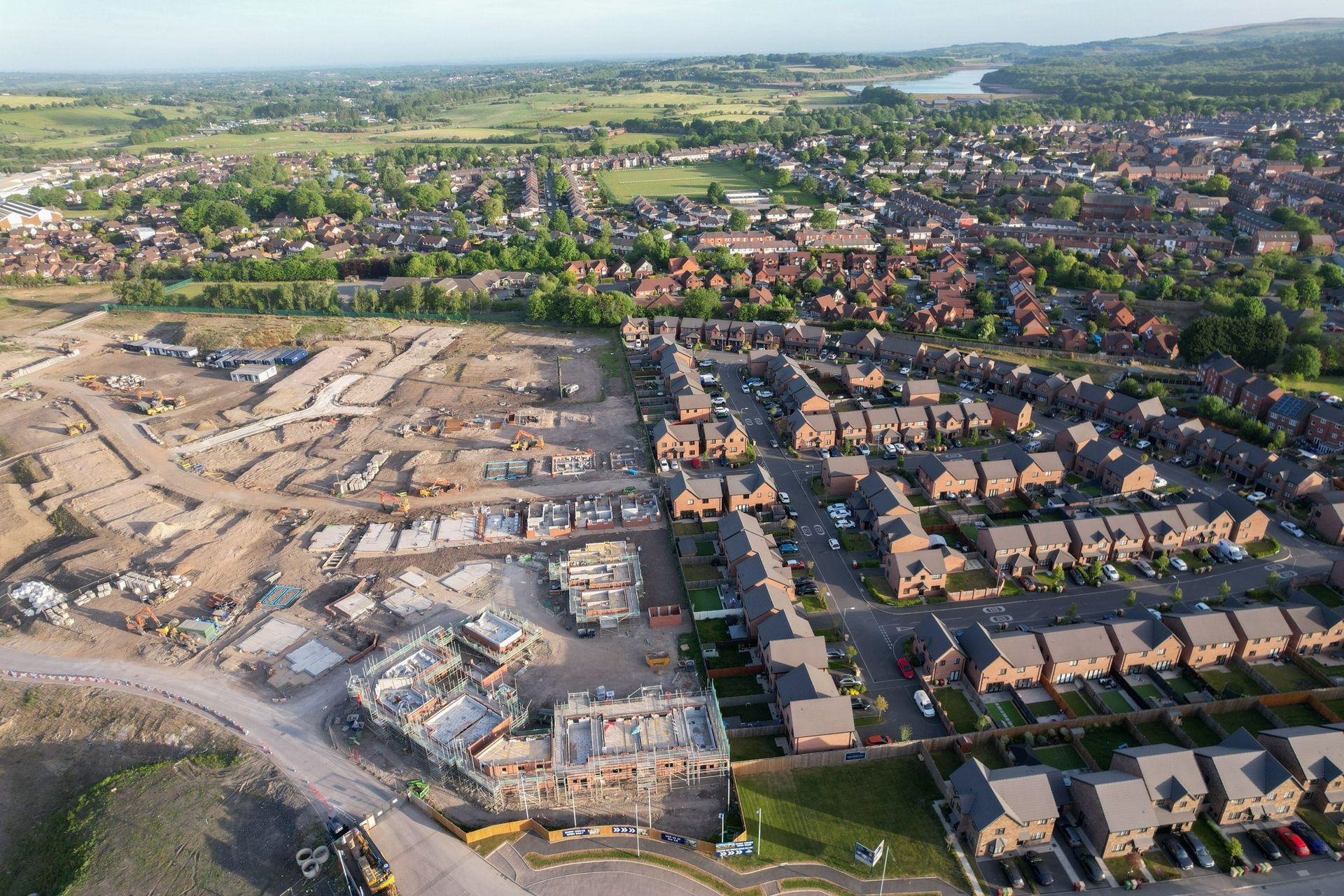
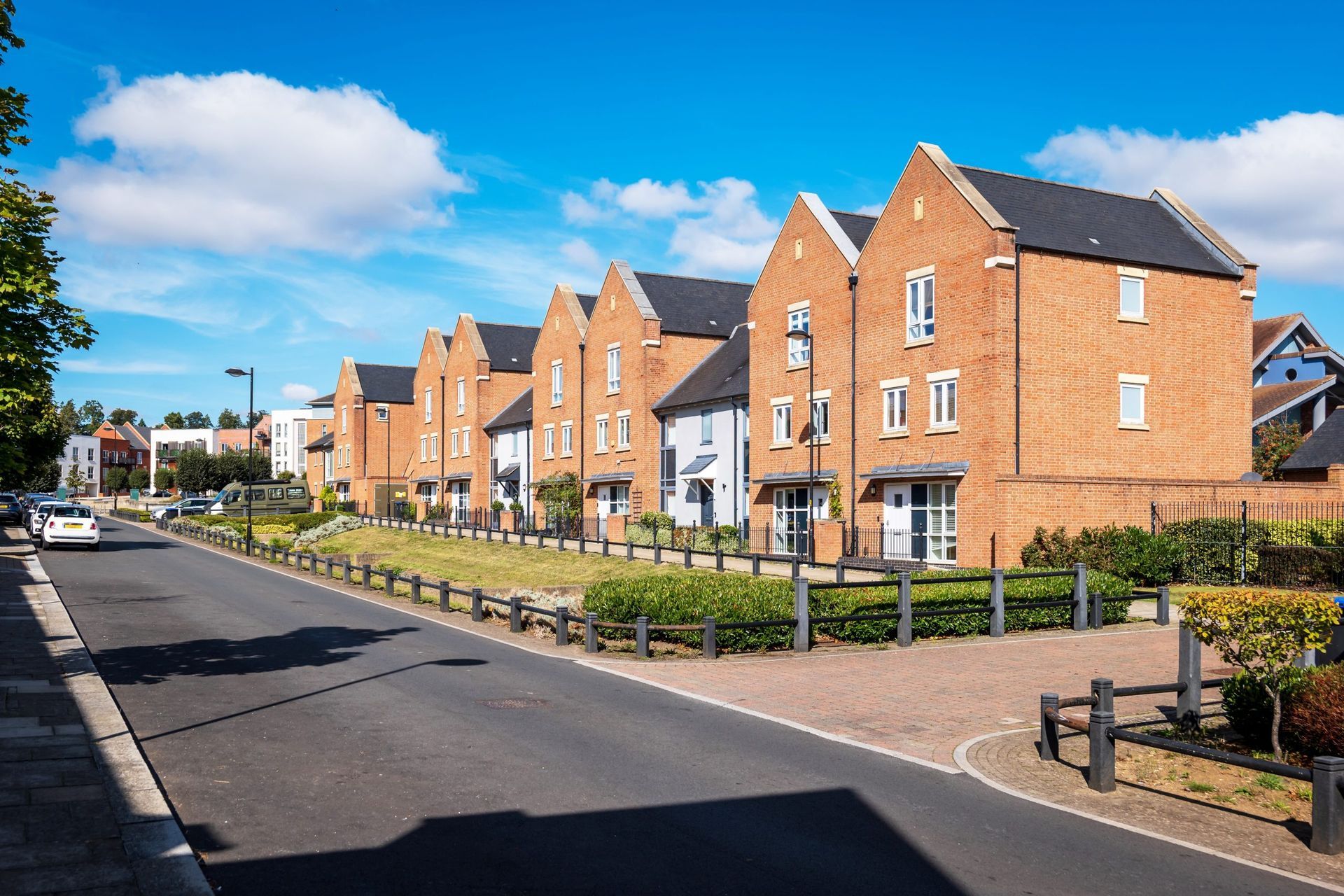
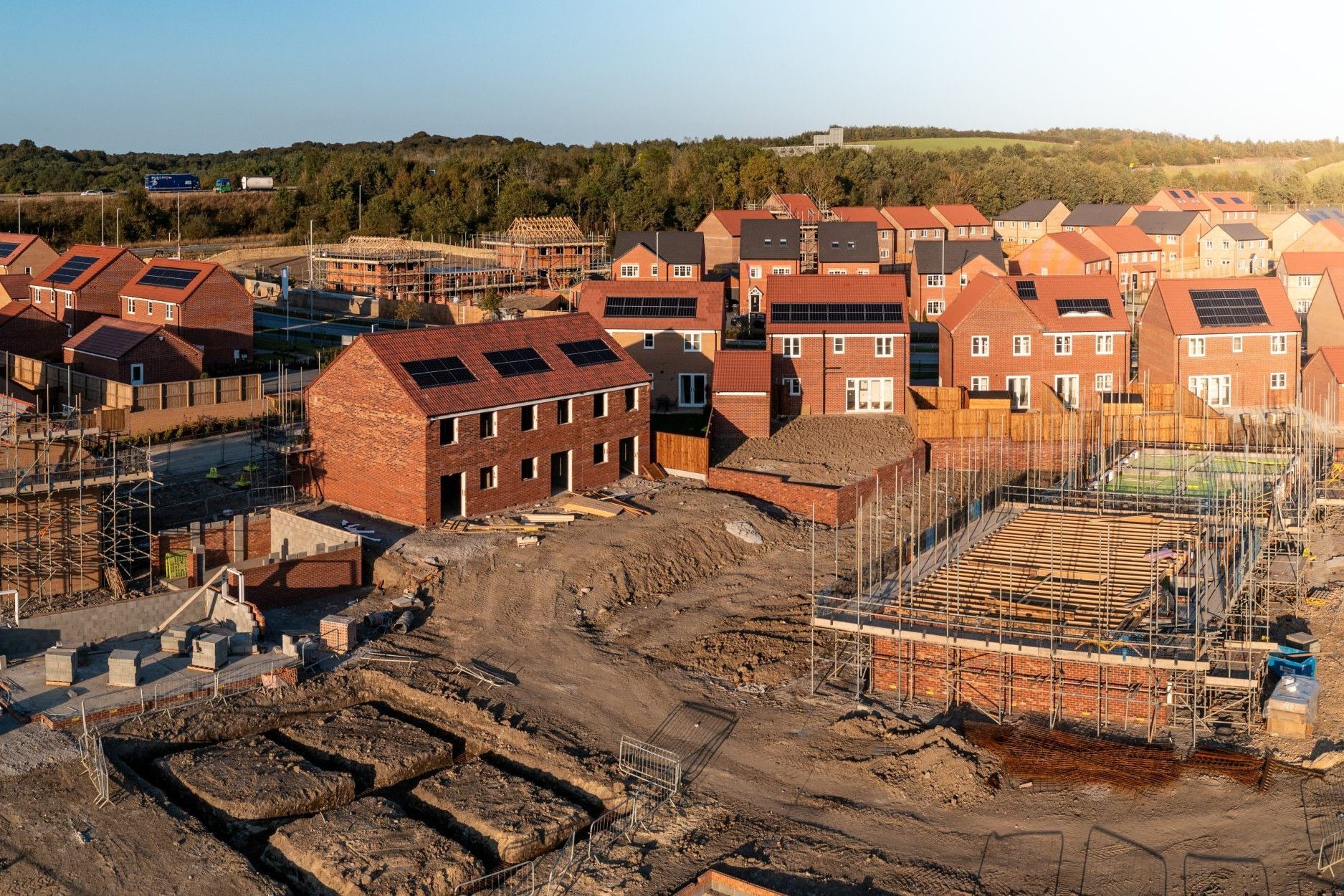
The conference explored the growing pressures on health and wellbeing in our communities, particularly in the face of widening inequalities. As planners, we’re acutely aware that the Government’s ambitious housing targets are necessary to address the UK’s housing crisis. But as was echoed throughout the sessions, quality must go hand-in-hand with quantity. It’s not just about building more homes, it’s about building better places.
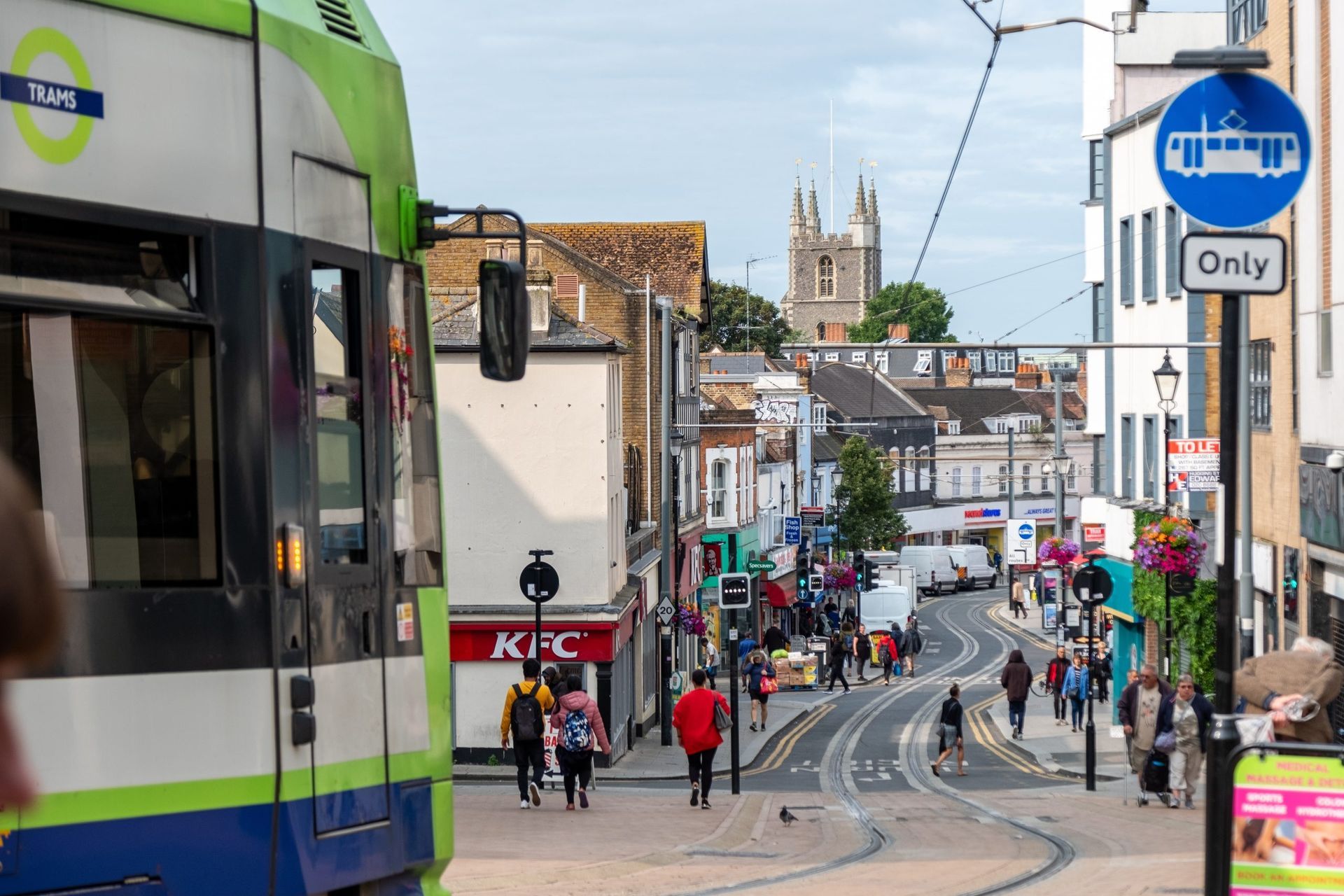
We heard from a range of inspiring speakers who challenged us to think critically about how planning can support healthier lifestyles. From the importance of Active Travel and sustainable transport solutions to the role of urban design in fostering social connection, the message was clear: planning has a pivotal role to play in shaping environments that promote both physical and mental wellbeing.
Key Takeaways
Here are some of the standout insights that resonated with us:
“Having a duty doesn’t deliver.”
Steve Quartermain reminded us that policy alone isn’t enough. We need to interrogate why
certain processes aren’t working and shift the focus from policy to implementation. It’s about making systems more effective, not just more prescriptive.
Designing for all hours and all people.
A key theme was the importance of inclusivity. An example of how we can plan for all people, which particularly resonated with us, was considering how public spaces are experienced at night, particularly by women and people with protected characteristics. Inclusive design must account for safety, comfort, and accessibility at all times of day.
Health vs health.
There’s a distinction between direct health interventions, like healthcare infrastructure, and indirect ones, like green spaces or walkable neighbourhoods. Planning can, and should, contribute to both, but it requires collaboration across sectors, especially with health professionals.
Quantity and
Quality.
Amidst the Government’s stated aim of building 1.5 million new homes over the next five years, it is vital that we don’t lose out on quality in the push for quantity. Ventilation, thermal comfort, accessibility, and long-term liveability must remain central to housebuilding, particularly in the context of our changing climate.
Planning for the later years.
Rose Gilroy posed a poignant question: by your mid-60s, you have around 8,000 days left, how are you spending them? With ageing populations and rising concerns about air pollution and dementia, planning must support people to live healthier, longer lives. The work of organisations like the Centre for Ageing Better is helping to bring this into sharper focus.
Promoting and communicating sustainable lifestyles
National planning policy seeks to create safe, healthy communities and promoting sustainable lifestyle changes plays a core role in achieving this. Yet these ambitions are often misunderstood or overlooked by the public, illustrated by the debate around concepts such as 15-minute cities or the role of mobility hubs. The way we design, explain, and engage communities in these ideas is crucial if we are to turn policy objectives into tangible outcomes and deliver a healthier future for all.
Looking Ahead
The conference was not only thought-provoking but also energising. It was a chance to connect with peers, share ideas, and reflect on the evolving role of planners in shaping healthier futures. And yes, it was topped off with a fantastic Gala dinner, though some of us may need to apologise for our dancefloor antics!
A huge thank you to the RTPI Young Planners Committee for organising such a meaningful and well-executed event. We left feeling inspired, challenged, and more committed than ever to embedding health and wellbeing into the heart of planning practice.
To discuss this and more, contact the team below.
Associate Director

Senior Planner
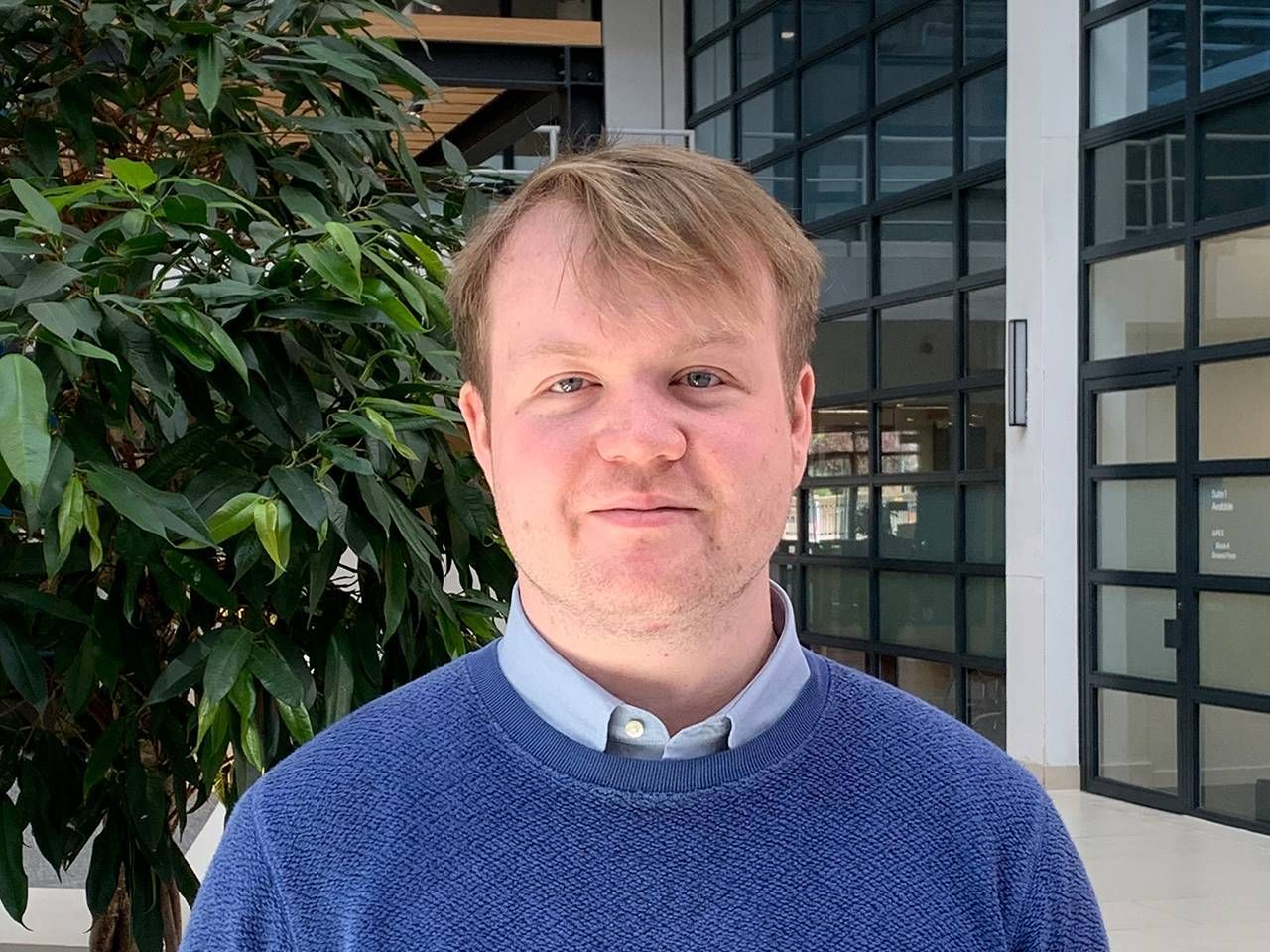
Planner