A couple of weeks ago I heard Thomas Heatherwick talk about his book, Humanise , and the movement of the same name that he has founded.
The book focuses upon the need to put ‘human emotion’ back into the design process, although the topics and ideas that Thomas spoke about led me to consider the relationship between design, architecture and town centre ‘health’, alongside the current proposed reforms to national planning policy.
Many of us will have pored through the opinion pieces by commentators and industry professionals about the draft National Planning Policy Framework, and the responses which have been sent to the Ministry of Housing, Communities and Local Government. House building issues are the ‘headline act’ here. However, as a retail, leisure and town centre planner I search for how the proposed changes to the NPPF could affect town centres: how we plan for them, and how we experience them.
There are no proposed changes to the town centres chapter in the NPPF, so I have looked to other chapters and the proposed NPPF changes. The one which caught my eye is the design of new buildings and places, and asked myself the question: why is ‘design’ important to town centre health?
Beauty vs Boring
The changes to the NPPF propose to remove references to ‘beautiful’ in the context of the design of buildings. The previous Conservative government appeared to be quite keen on things being ‘beautiful’ and, given the number of times it is used in the current NPPF, this can be no accident, and a clear sign as to how they wanted new buildings and places to look.
However, under the updated NPPF, references to ‘beautiful’ will be a thing of the past. Instead, the focus is on high quality, sustainable buildings and places. In order to achieve this, there is particular emphasis on the national design guide, national model design codes and local design codes.
It could be argued that these national design documents and codes state the obvious. They probably do, but what’s wrong with that? There’s nothing wrong with being reminded of the basics now and again.
Many people, including the RTPI, have welcomed the proposed removal of ‘beautiful’ in national policy in relation to design. In the context of town centres, surely it’s better to avoid trying to attain a specific ‘ideal’ and allow town centres to provide diverse, interesting, high quality places, just so long as they are not boring. Given that town centres attract such a wide variety of people, who visit for a wide variety of reasons, avoiding boring buildings and boring places is surely the key to having a healthy town centre.
Town Centres & Emotion
Assessments of town centre health have for many years used a tried and trusted basket of common-sense indicators. We all know that having low vacancy rates, alongside a diverse set of retail, service and other commercial uses provides the foundations for a healthy centre. We also know that having a large residential community and good quality workspace in a town centre increases daytime and night-time activity.
The built environment and public realm are also included as indicators of town centre health. Retail planners and government guidance have generally approached the issue of the built environment for town centre health purposes in relation to the quality of public realm, the level of maintenance and investment in buildings, and conservation or historic environment features, such as conservation areas and listed buildings. Masterplanning projects have picked up on the same issues and also sought to improve places through urban design, public realm and redevelopment initiatives.
All of these have the potential to contribute to, and measure, town centre health. They are very important.
However, there are two further aspects which are important to a ‘healthy’ town centre:
- First, the interest and emotional reaction that existing buildings, and the places that surround them, have on the passer-by. These aspects will also help us to understand whether a town centre is healthy.
- Second, the part that ‘interest’ and ‘emotional reaction’ has to play in assessing new development proposals in town centres. For example, does design contribute to a healthy town centre?
Research has shown that the exterior design of buildings can elicit either positive or negative mental reactions in people to the places that they use and pass by. That must therefore mean that, where we have interesting buildings, or buildings that are not boring, town centre health is improved as a consequence. Town centre health isn’t just about its physical characteristics; it’s also about the mental reaction of those people who use town centres.
Therefore, the impact of buildings on the passer-by is very important. We must not forget that buildings are enjoyed by far fewer people who visit or work inside a building than the much larger number of people who are passers-by, experiencing their exteriors and their impact on the street.
Therefore, proposed changes to national policy, including the forthcoming National Development Management Policies, and how they are applied, have an important part to play in the relationship between design and the issues surrounding town centre health.
Let’s take an example. A town or city centre can possess a number of attributes. It can have a low level of vacant property. Occupied property can provide services and other functions which meet the local population’s day to day functional needs. Occupied properties can also mean a daytime workforce that adds to vitality and spending potential. There may also be current or recent investment in new buildings and the public realm. All of these things are positive indicators of town centre health and should be encouraged and celebrated.
However, what if the environment that these things inhabit is made up of boring buildings? Workers and local residents may need to go to these centres, but they may not wish to do so out of choice. That would lead, in one way, to a fragile state of health and attractiveness, leaving the centre vulnerable to either shorter lengths of stay or visit, or vulnerable to competition.
The same goes for visitors and tourists. Why would they go to a place that is functionally and economically sound but is simply boring? As Urban Memory in City Transitions (2021) notes: “We don’t want a plan based on land uses. We want a plan based on experiences. Who visits downtown to see land uses?”
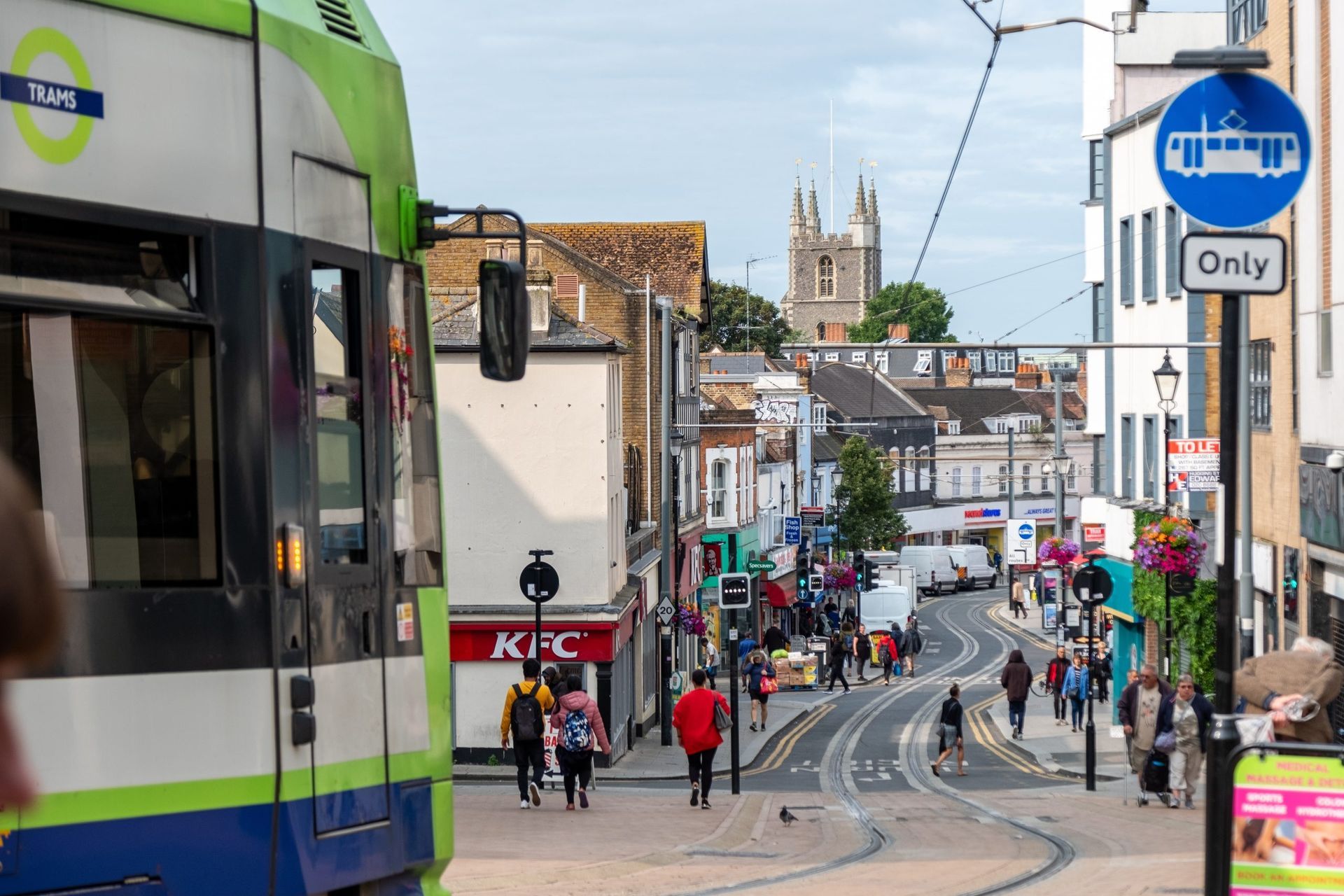
Therefore, town centres should be considered in terms of how they treat the passer-by. We need to ask ourselves: what does the centre say to people who are walking through the streets on their way to somewhere else, those who are just passing through, and those using the centre for various reasons? Is a town centre ‘boring’? If so, is it affecting its health?
Much of this relates to how the ground and lower floors of buildings communicate with people. That is how everyone experiences a town or city centre and, as a consequence, this must go to the heart of its health. The fascination with the dominance of a whole building on the landscape is important, but other views and experiences, the human passer-by view, matter equally as much to the health of a town centre.
Emotion, Design & Town Centre Planning
So what can and should the planning system do? What this article talks about is not new. These issues will be talked about all the time in relation to urban design, conservation and landscape impact matters. However, assessing and promoting the health of town centres should embrace these concepts and make it a part of good town planning for town centres.
To reiterate: let’s not forget that there are more people using town centres who experience the outside of buildings than the inside of buildings.
These issues need to run through town centre health checks, the drafting of planning policies in development plans, and also the weight that local authorities place on this aspect in development management decisions. When assessing the health of a centre, consider whether there are buildings which spark interest, or whether there are buildings or areas that are boring.
Similarly, when planners are asked to assess the ‘need’ for main town centre uses, don’t just consider quantitative factors, they should also consider town centre health as an equally important indicator of ‘need’. We must stop confining assessments of need to just questions of ‘how much floor space do we need?’ but also the ‘need’ for a healthy town centre.
Town centres are a wonderful attribute to existing towns and cities. They should also be at the heart of new towns, creating a proper sense of community. Therefore, I urge you to get out and visit your town centres and spend some more time within them, experience these centres in different ways, talking to people about how they experience the buildings which surround our streets.

Director